Skip to content
Guides that explain the basics and how to scale them

Beginner movement guides

This library is built for everyday people who want clear direction. Each guide focuses on one skill set, from warm-ups and mobility to simple home strength sessions and recovery habits. Use the checklists, practice for a week, and return to the guide when you need a reset.

beginner-friendly mobility routine stretching guide modern sports lifestyle
How to use a guide
Read once, practice twice, then adjust. The goal is comfort, control, and consistency.
10 to 30 minutes

Most sessions fit into short blocks without complex setup.

Scalable difficulty

Options to reduce impact, shorten volume, or progress safely.

Guide principles

Beginner fitness is less about perfect workouts and more about building a repeatable routine. Our guides use a comfort-first approach: you should finish sessions feeling capable, not drained. We explain simple cues for posture, breathing, and pacing so you can move with control. We also highlight common beginner issues such as soreness, overdoing intensity, and inconsistent scheduling. If something feels too hard, the guide will show how to scale the movement, reduce time, or switch to lower impact options.

Each guide is designed to pair with the others. For example, a walking plan works better when you add short mobility sessions, and home strength work feels smoother when you understand footwear stability and comfort. Use these topics together, then refine based on how you recover and what fits your week.

Safety note

Guides are educational. If you have pain, dizziness, or a medical condition, pause and seek professional advice. Start with a level that feels manageable and prioritize good form.

Warm-up basics

A warm-up prepares joints and tissues for activity. We use simple patterns: breath, gentle mobility, and low-intensity rehearsal of the main movement. You will learn how long to warm up and what to skip if time is tight.

  • 2 minute pulse raiser
  • 4 minute mobility flow
  • 1 to 2 sets of easy practice

Home strength starter

Strength is a foundation for everyday movement. Our starter plan uses simple patterns with stable positions: squat to a chair, hinge with a backpack, wall or incline push-ups, and a carry. Choose a level that stays controlled.

  • 2 to 3 sessions per week
  • Reps that stop before form breaks
  • Short rest to keep breathing steady

Mobility mini sessions

Mobility is daily maintenance, not a performance test. We use short sessions focused on ankles, hips, and upper back so walking, running, and sitting feel less stiff. A few minutes is enough to make movement feel smoother.

  • 5 minutes after waking or after work
  • Slow, controlled range of motion
  • Breathing to reduce tension

Recovery and routine

Recovery is what allows consistency. This guide explains soreness basics, sleep and hydration habits, and how to plan easy days. You will also learn a simple check-in to choose your session intensity.

  • Light walking on rest days
  • Simple meal timing habits
  • Adjust volume before adding intensity

Pair guides with workshops

If you prefer learning with others, workshops reinforce basics with supportive practice. You can join for mobility, walking structure, or easy run pacing.

Explore workshops
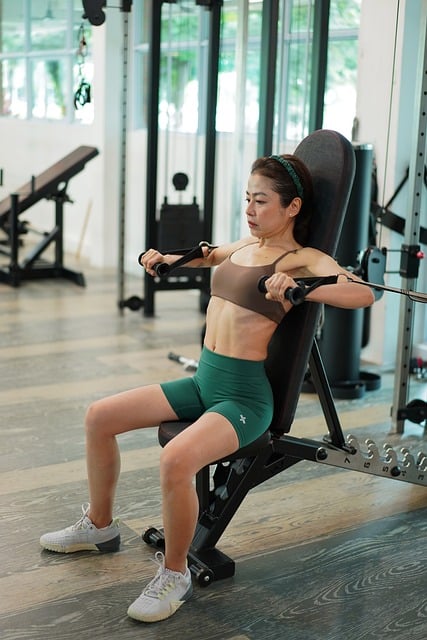
home workout basics beginner strength routine living room modern sports lifestyle

Quick weekly template

Use this as a starting structure. Keep sessions short, then adjust after two weeks based on how you feel. The goal is to finish with energy for the next day.

2 days: short strength routine
2 days: walking or easy run-walk
Most days: 5-minute mobility
1 to 2 days: lighter recovery focus

Disclaimer

The information on this website is for educational and informational purposes only and is not medical advice. Exercise involves risk, and individual needs vary. Always use good judgment, choose an appropriate starting level, and consult a qualified healthcare professional if you have a medical condition, pain, or concerns about beginning an exercise routine. ShamrockScope does not provide diagnoses or individualized treatment plans.