Footwear fit checks
Learn a beginner-friendly fit routine: thumb width at the toe, stable heel hold, and enough width so toes can spread. We also explain what "break-in" should and should not mean.
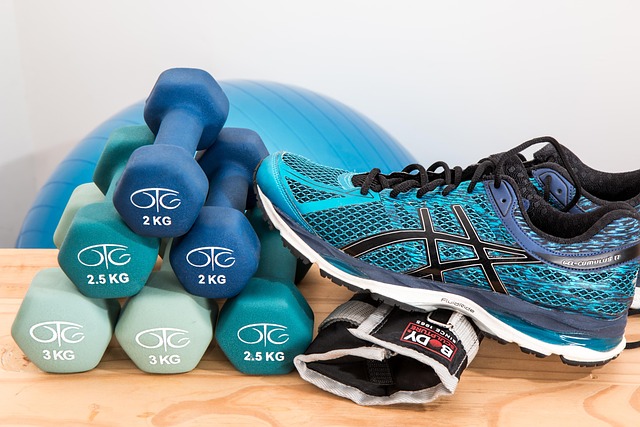
Simple checks for length, width, and heel hold.
Breathable layers for changing weather and sessions.
ShamrockScope is not an online shop. Gear education is about understanding comfort, function, and how equipment influences movement. When you know what a shoe should feel like or how a base layer should sit, it becomes easier to focus on walking technique, running rhythm, mobility work, or a short home routine. We use plain language and practical checks you can do in a few minutes, without needing specialist tools.
We are inspired by modern multibrand sports culture where people are surrounded by different footwear and apparel options. Rather than pushing a particular brand, we describe core principles: fit and support, fabric choices, durability, and basic care. The goal is to help beginners make decisions that reduce blisters, chafing, and discomfort, so routines can be repeated calmly and consistently.
Learn a beginner-friendly fit routine: thumb width at the toe, stable heel hold, and enough width so toes can spread. We also explain what "break-in" should and should not mean.
Understand how friction and moisture create hotspots. We cover sock thickness, fabric blends, and how to spot early irritation so small issues do not become big problems.
A simple layering system for outdoor walks and easy runs: base layer for moisture, mid layer for warmth, outer layer for wind and rain. Adjust based on effort level.
Basic care tips that protect comfort: drying shoes properly, washing technical fabrics, and simple checks to know when cushioning or tread may be worn.
New gear should feel comfortable quickly. Mild stiffness can be normal, but persistent pain, numbness, or sharp rubbing are signals to adjust fit, lacing, or socks. If discomfort continues, seek guidance from a qualified professional.
Use this checklist before your next walk, easy run, or home workout. It is designed to help you feel prepared without overthinking. If you already have comfortable basics, focus on movement first and only upgrade when you understand what you need.
The best gear choice is the one that supports comfortable movement today. Start with what you have, learn what feels good, and adjust gradually.
Beginners often worry about buying the perfect item. A better approach is to understand a few simple signals from your body and your environment. These answers focus on practical checks and decision-making.
Many people can begin with one comfortable pair that fits well and matches their activity. If you later add longer runs or varied surfaces, it can help to have a dedicated pair that feels stable and comfortable at your typical pace.
Laces should secure the midfoot without creating pressure points. A quick check: you should be able to wiggle toes and feel stable in the heel when walking. If the top of the foot feels compressed, loosen and re-lace.
Choose clothing that allows a full range of motion and keeps you comfortable as you warm up. Breathable fabrics can be helpful, but comfort and freedom of movement matter most. Footwear depends on the routine and your floor surface.
Look for a balance of wind and rain protection with breathability. If a jacket traps heat quickly, you may feel damp inside even in cool weather. A light layer with ventilation often works well for brisk walking.